

Anti-Tarnish vs Gold Plated Jewelry: What's the Difference?
Anti-Tarnish vs Gold Plated Jewelry: What's the Difference?
If you have shopped for fashion jewelry recently, you have probably seen both "anti-tarnish" and "gold plated" used to describe similar-looking pieces - and it is easy to assume they mean the same thing. They do not. Understanding the difference helps you pick jewelry that actually lasts, especially if you wear it daily or in humid Indian weather.
What is Gold Plated Jewelry?
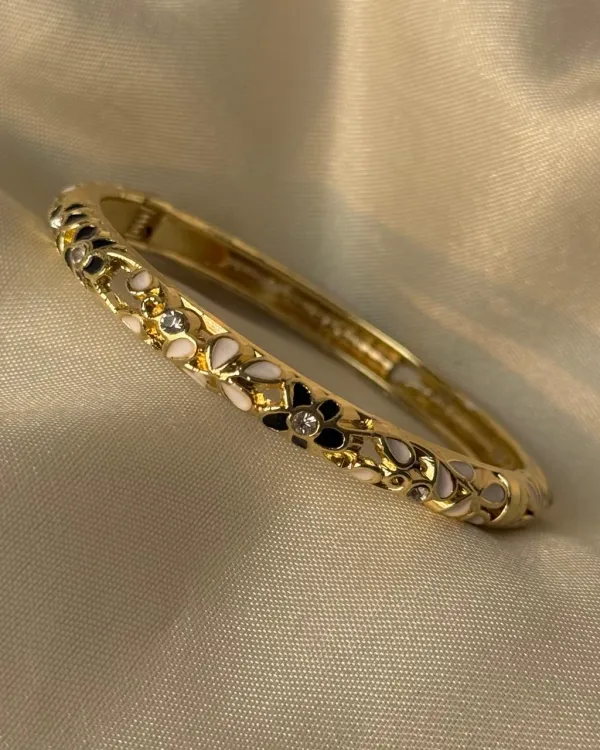
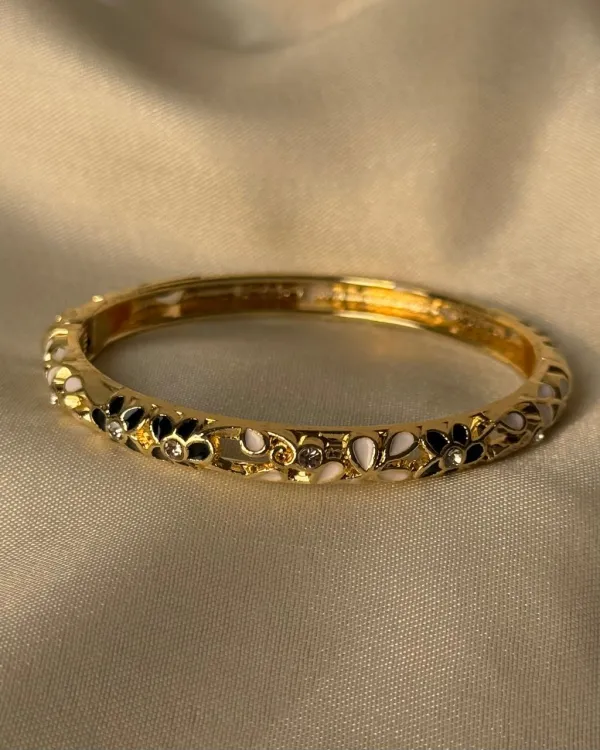
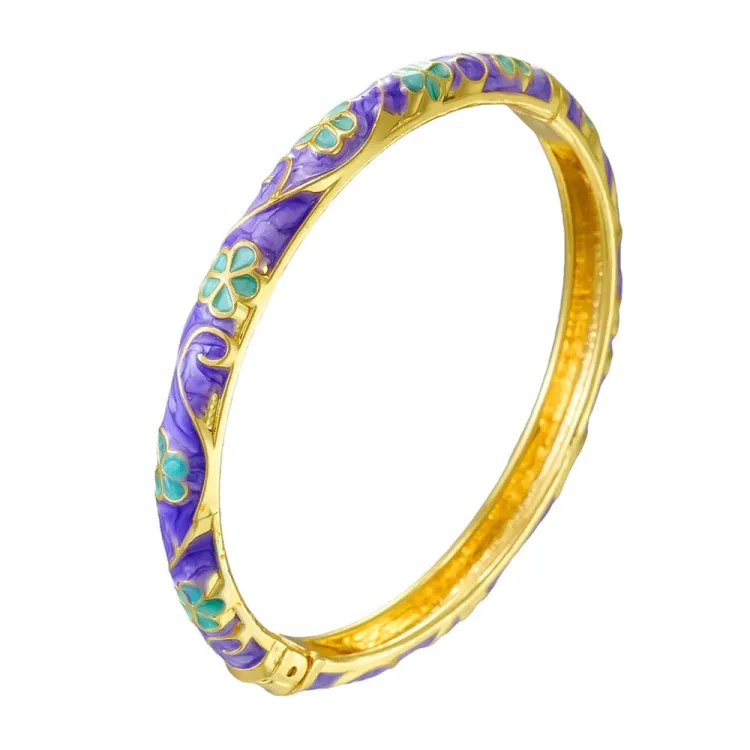
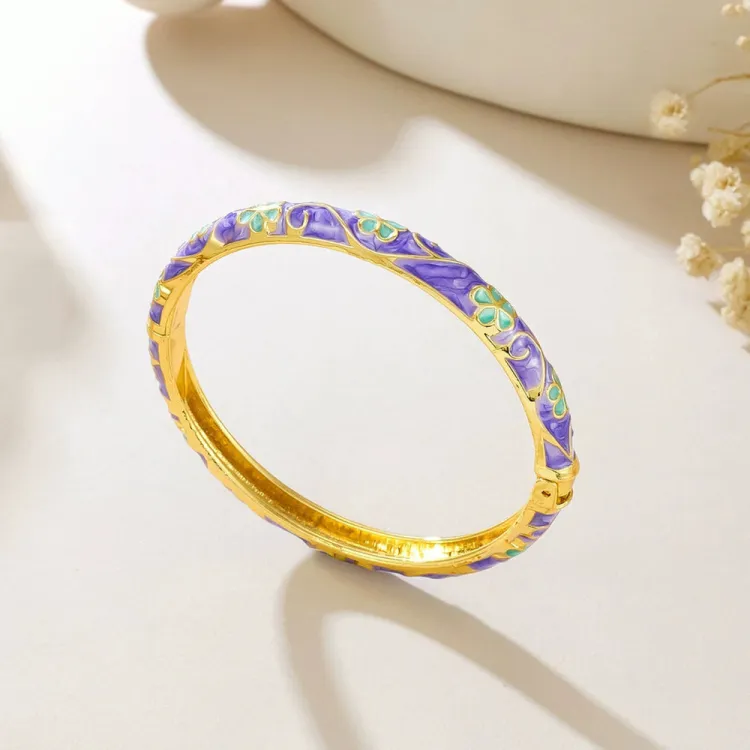
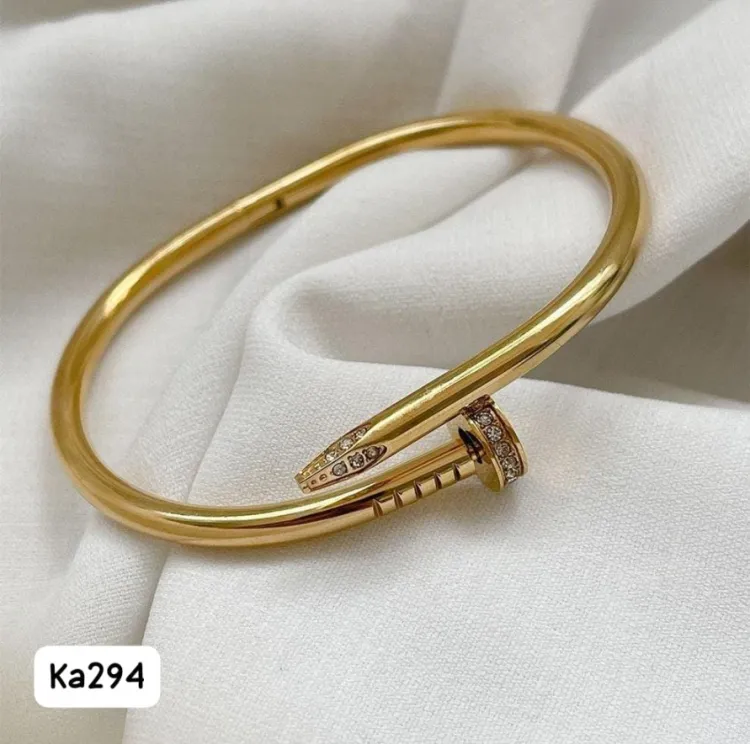
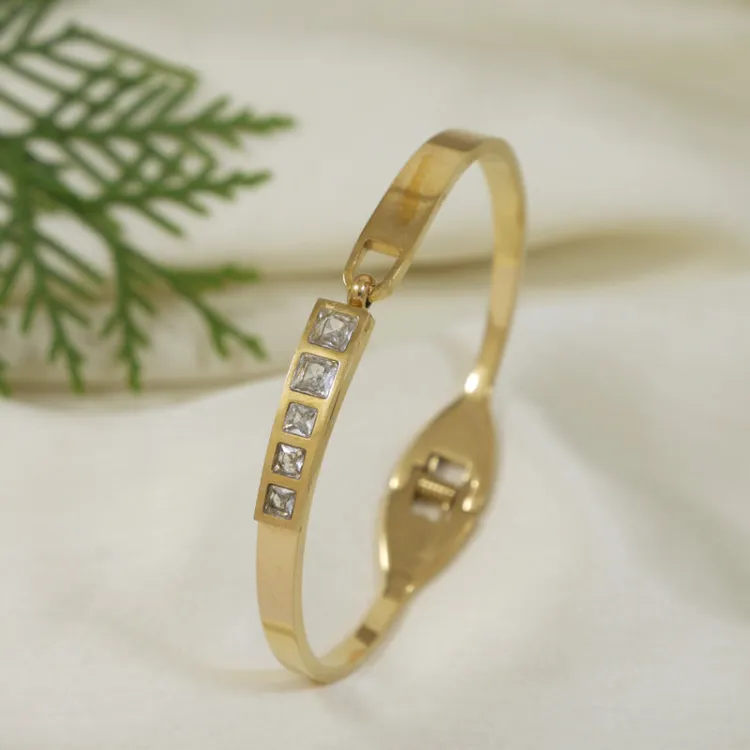
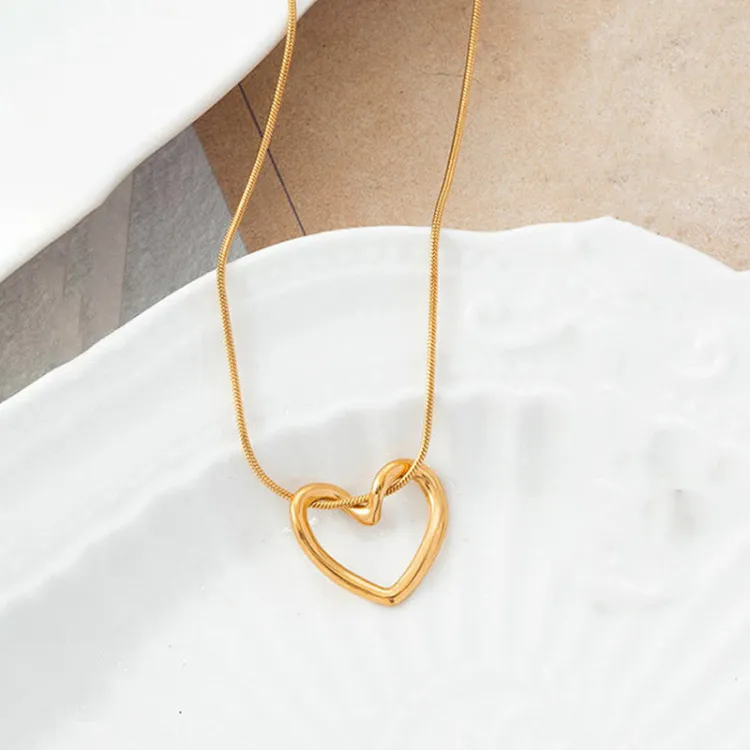
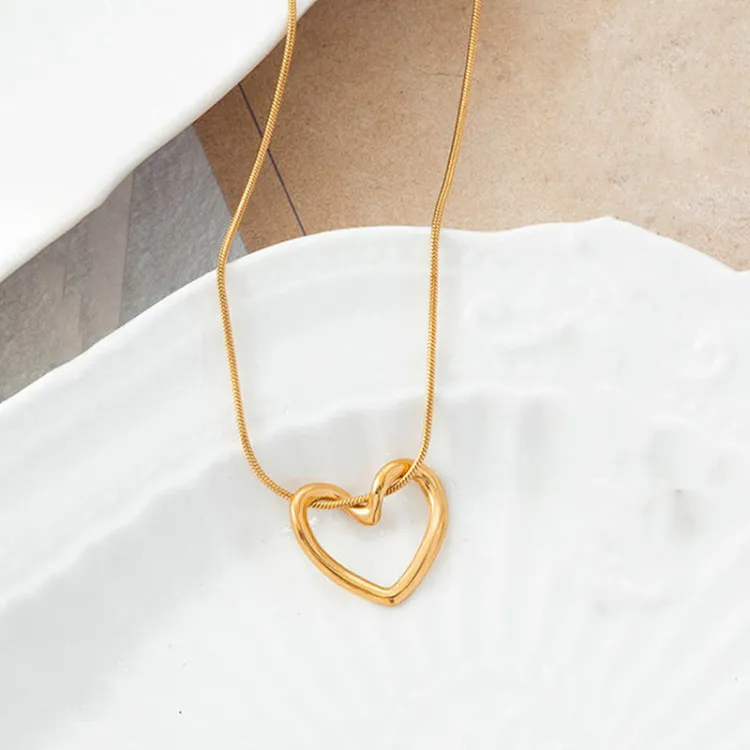
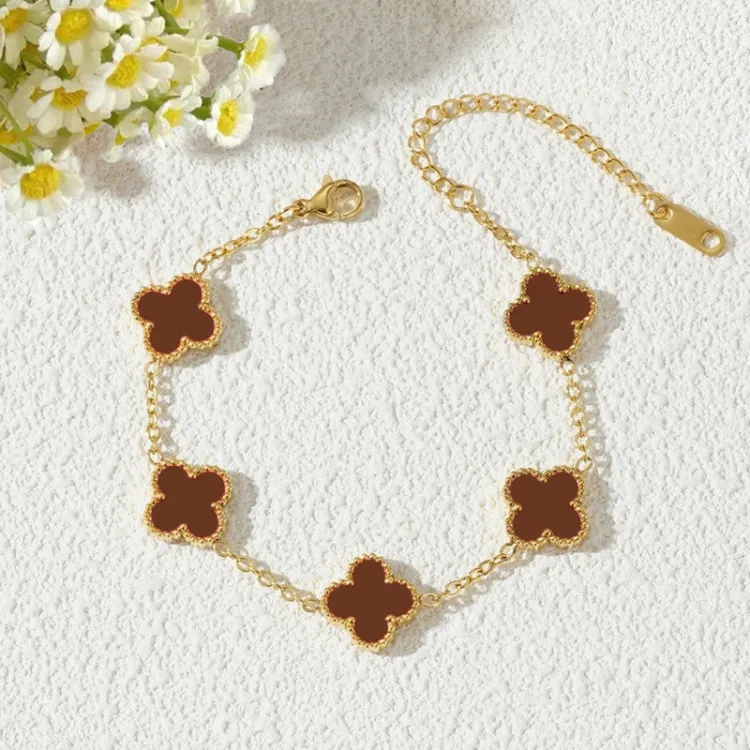
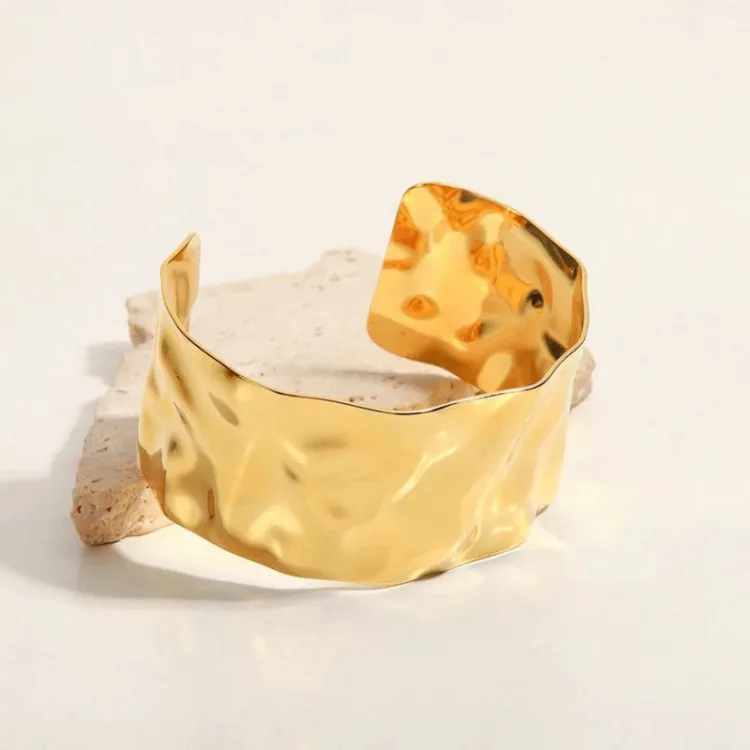
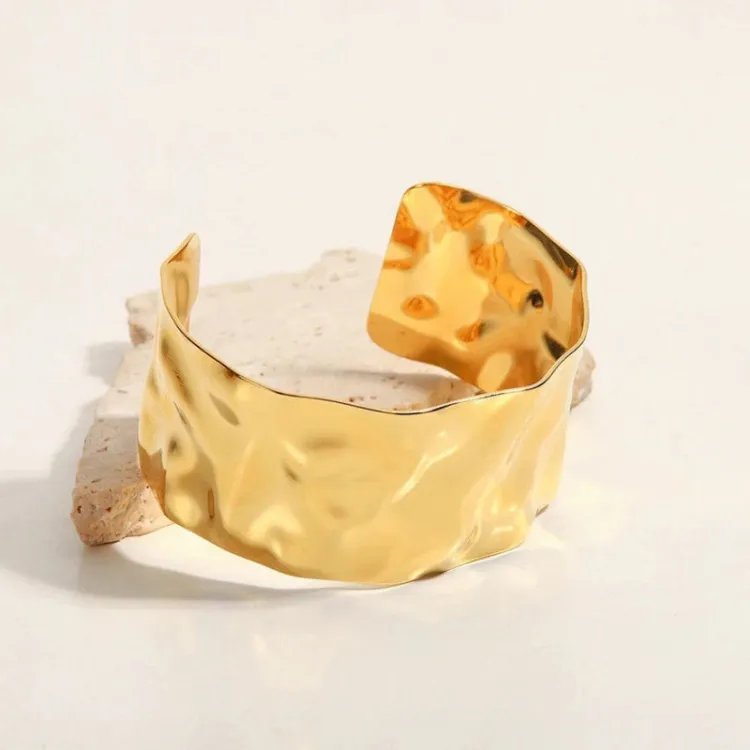
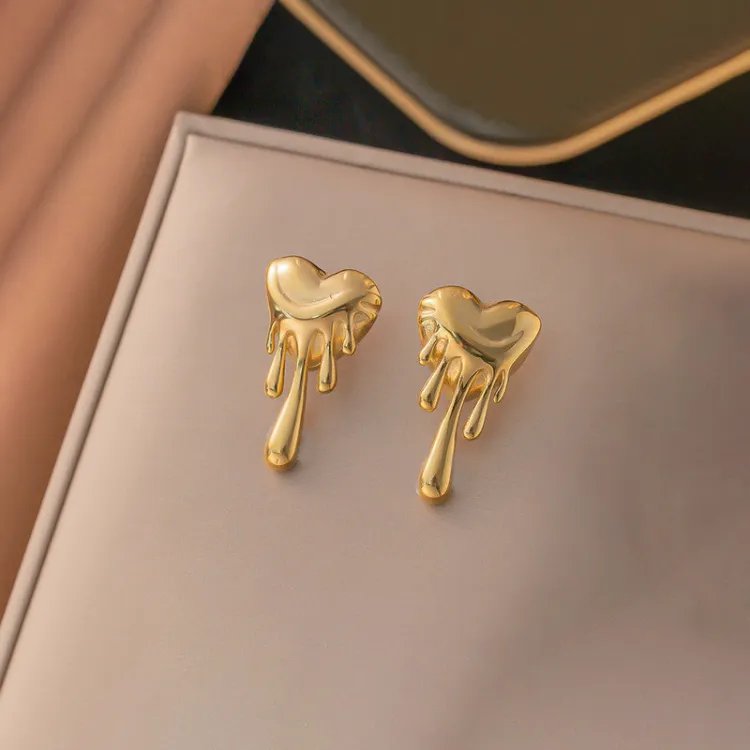
Gold plated jewelry starts with a base metal (usually brass, alloy, or sterling silver) and gets a thin layer of real gold electroplated onto the surface. The thickness of that gold layer is measured in microns - the higher the micron count, the longer the gold layer resists wearing off. Our 18K Gold Plated collection uses thicker plating for better everyday durability.
The catch: plain gold plating on its own does nothing to protect the base metal underneath from reacting with air, moisture, sweat, and skin oils. Over weeks of wear, that reaction is what causes the greenish or blackish tarnish mark most people associate with imitation jewelry.
What is Anti-Tarnish Jewelry?
Anti-tarnish jewelry adds a protective coating between the base metal and the outer layer, or over the finished plated surface. This coating is what actually blocks oxidation, not the gold layer itself. That is why a piece can be both gold plated and anti-tarnish at the same time - gold plating gives the look, anti-tarnish coating protects that look from fading.
Our Anti-Tarnish Collection is built specifically to resist colour change from daily wear, sweat, perfume, and humidity.
Which One Should You Choose?
- Wearing it occasionally, for events only? Standard gold plated jewelry from our Necklaces or Earrings range is a great fit - lower cost, still looks premium for the occasion.
- Wearing it daily, at work, or in humid weather? Choose anti-tarnish or waterproof-coated pieces from our Daily Wear collection - they hold their shine far longer under regular skin contact and sweat.
- Buying for someone with sensitive skin? Anti-tarnish coatings also act as a barrier between skin and base metal, which can reduce the chance of skin reactions compared to uncoated plated jewelry.
How to Make Either Type Last Longer
- Put jewelry on after applying perfume, lotion, and makeup - not before.
- Remove jewelry before swimming, showering, or exercising, even if it is marketed as waterproof - this simply extends its life further.
- Store pieces separately in a dry pouch or box, not tangled together or exposed to open air.
- Wipe with a soft, dry cloth after wearing to remove sweat and oils before storing.
Whether you go with classic gold plated pieces or an anti-tarnish finish, the right choice comes down to how often you will wear it and what conditions it needs to survive. Browse our full Rings, Bangles & Bracelets, and Necklace collections to find pieces built for the way you actually wear jewelry.